
As he opens the window
A gust of dry wind blows through
The blazing sunshine of June afternoon is no respite.
The much crowded roads of the city are deserted now.
A black stray dog lies under the shade of the roadside banyan tree
and winks intermittently, surveying the surroundings.
A tiny bird is hopping back and forth from the telephone pole to the gulmohar tree in the garden waiting anxiously for something.
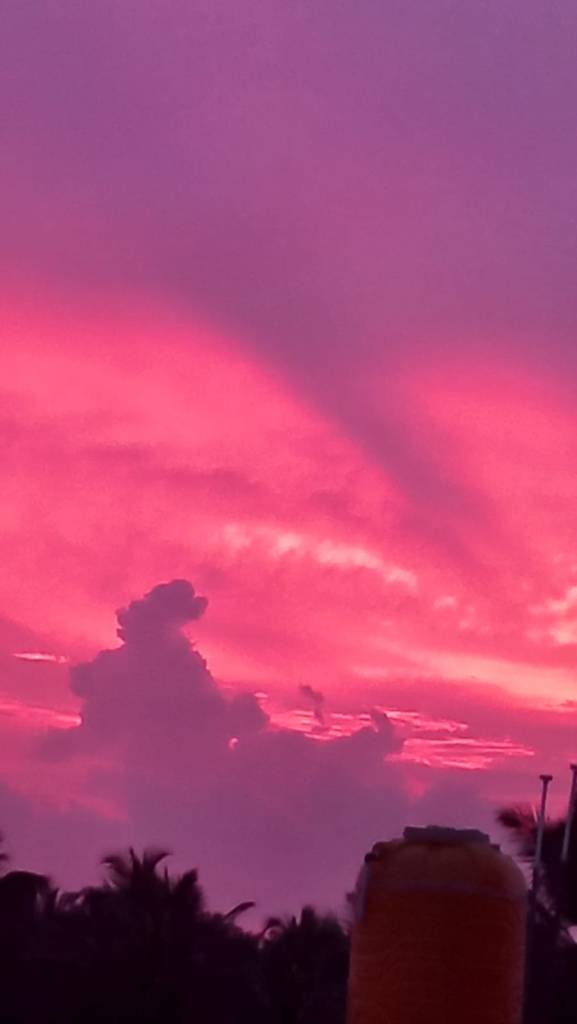
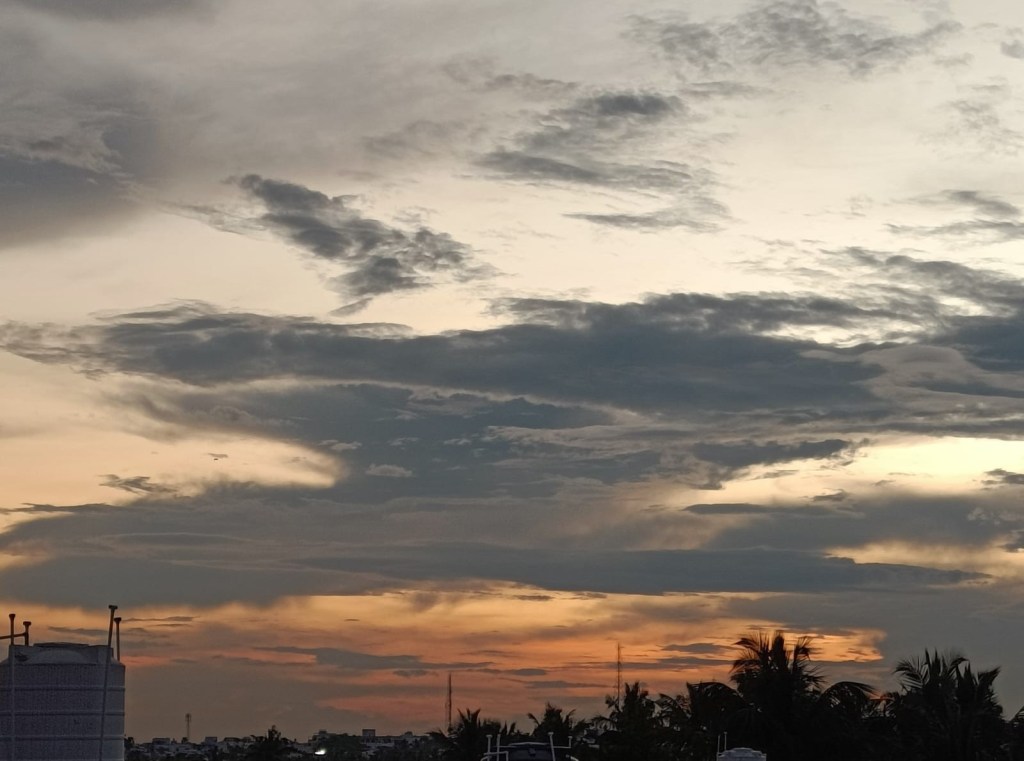
A billow of clouds gathers in the western sky.
Are these signs of rain? The townsfolk wait.
Thirty-five years have whiled away since he first came to this quarter.
The mango trees in the garden is laden with fruits this year taken him back to the memory lane
When he was a child, during summer holiday, he, along with his friends, would sneak out and pluck mangoes from the neighbors’ trees (hush, hush, hush)
and in the aftermath invite scolding from the parents!
The taste of the mangoes, his childhood friends, and those days might exist somewhere safely tucked away and then forgotten, only for time to pilfer and ransack what’s left.
A rickshaw-puller stops under the tree shade
the black dog reluctantly moves a few yards
But determined not to step anywhere outside the shaded area
Any other day and the man would’ve pelted a stone and shooed the dog away but today he doesn’t seem to mind. From his shirt pocket he pulls out a box of matches and a beedi and proceeds to flick the match, nonchalantly, and remains there for a long time.
One would think the dog and the man were the best of friends.
He lets his thoughts take control again,
How fleeting the days, the months, the years are
All his brothers and sisters lived in a thatched house in the village
The mud plastered roof provided heavenly respite in all the seasons
The smell of the cow dung-laden walls of the house lingers in his memories
There were no refrigerators then, no TV, no fans then.
The village was small but
all the festivals in different seasons were celebrated with fervor and joy
With exchange of various cuisines among the relatives.
But those days have passed now,
The village has moved on now to shinier things and the people too, have, to faraway cities.
What one feels and believes is perhaps tainted with money.
In fact, everything today, he thinks to himself, is measured by money.
As he continues to look outside through the window
everything is packed and loaded into
the vehicle.
We have to leave early before it is getting late.
Check the house again
Nothing should be left behind
someone tells, or rather instructs.
He once again glanced the empty rooms
The house looked desolate as if all the ornaments are snatched away
He took a handful of wooden ash from the mud oven lying in the empty kitchen
This oven had fed the family for thirty-five years now, be it the good times or the bad,
And now it will be no longer lighted on.
The walls will peel off, through holes in the roof the stars will gaze in,
but there’ll be no one there. Only the emptiness.
What happened to the empty house? Is it empty now?
As he walks to the verandah,
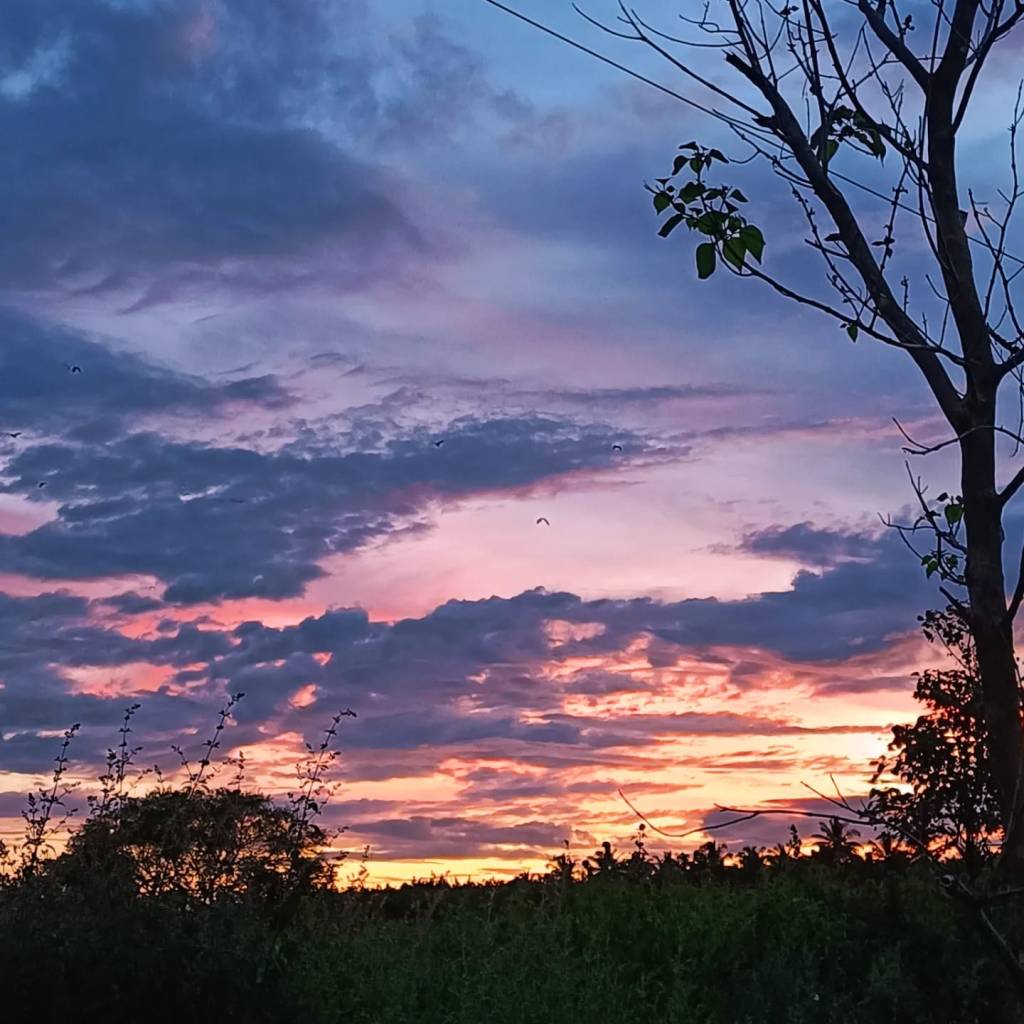
The sun is preparing for the departure in the western sky
The red and orange flowers of Gulmohar tree sway gently in the wind and the fragrance wafts through open doors and windows.
Thirty-five years ago he planted this tree, didn’t he?
As he approaches the tree, an overpowering sense of melancholy consumes him whole.
The tiny bird leaves for home.
He glides forward and sails westward to things that no man alive has witnessed yet.
The house, the gulmohar tree, the shade, the strays, the world float and fleet and flounder before they disperse into nothingness.
He draws a deep breath and gazes at the western sky. All he sees is the dark sky.
It is time to go now. To the farther dark.

 A Light Through My Window
Leave a reply to Anonymous Cancel reply